How Much Tableware Does a Restaurant Need? Plates, Glasses and Cutlery per Cover
Par levels, a 60-seat example and a checklist: how hotel and restaurant buyers calculate how many plates, glasses and cutlery to order.
4 min read
"How many plates do we need?" is the first question on every opening list, and the answer is never "one per seat". Plates are on the table, in the dishwasher, on the pass and broken in the bin, all at the same time. This guide gives the rules of thumb that hotel and restaurant buyers use to plan crockery, glassware and cutlery quantities, and how to turn them into an order.
Start with covers, not seats
A cover is one guest place setting. Plan your stock from the number of covers you serve at your busiest time, not from the number of chairs. Write down:
- Seats in the restaurant (and terrace, private room, banqueting).
- How many times a table turns at peak (for example 1.5 turns at dinner).
- How fast your dishwasher returns clean items during service.
A slow dish return or a single small dishwasher means you need more stock on the shelf.
The "par level" rule
Buyers use a par level: the number of each item you keep per seat. A common starting point is:
- Plates and bowls: about 3 per seat (one on the table, one in the wash, one ready on the shelf).
- Glasses: about 3 to 4 per seat for each glass type you use, because glasses break most and turn slowest.
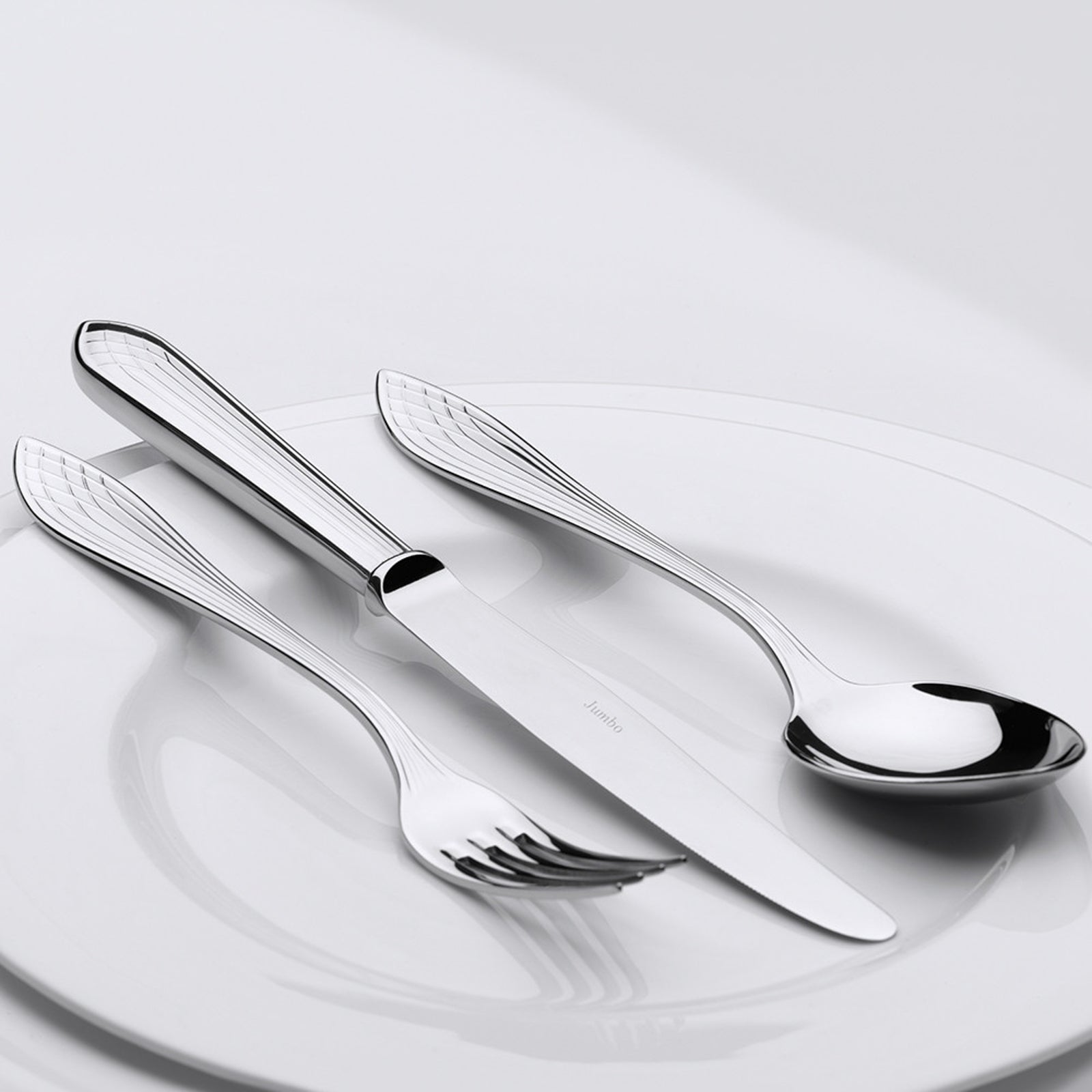
- Cutlery: about 3 sets per seat, more if you change cutlery between courses.
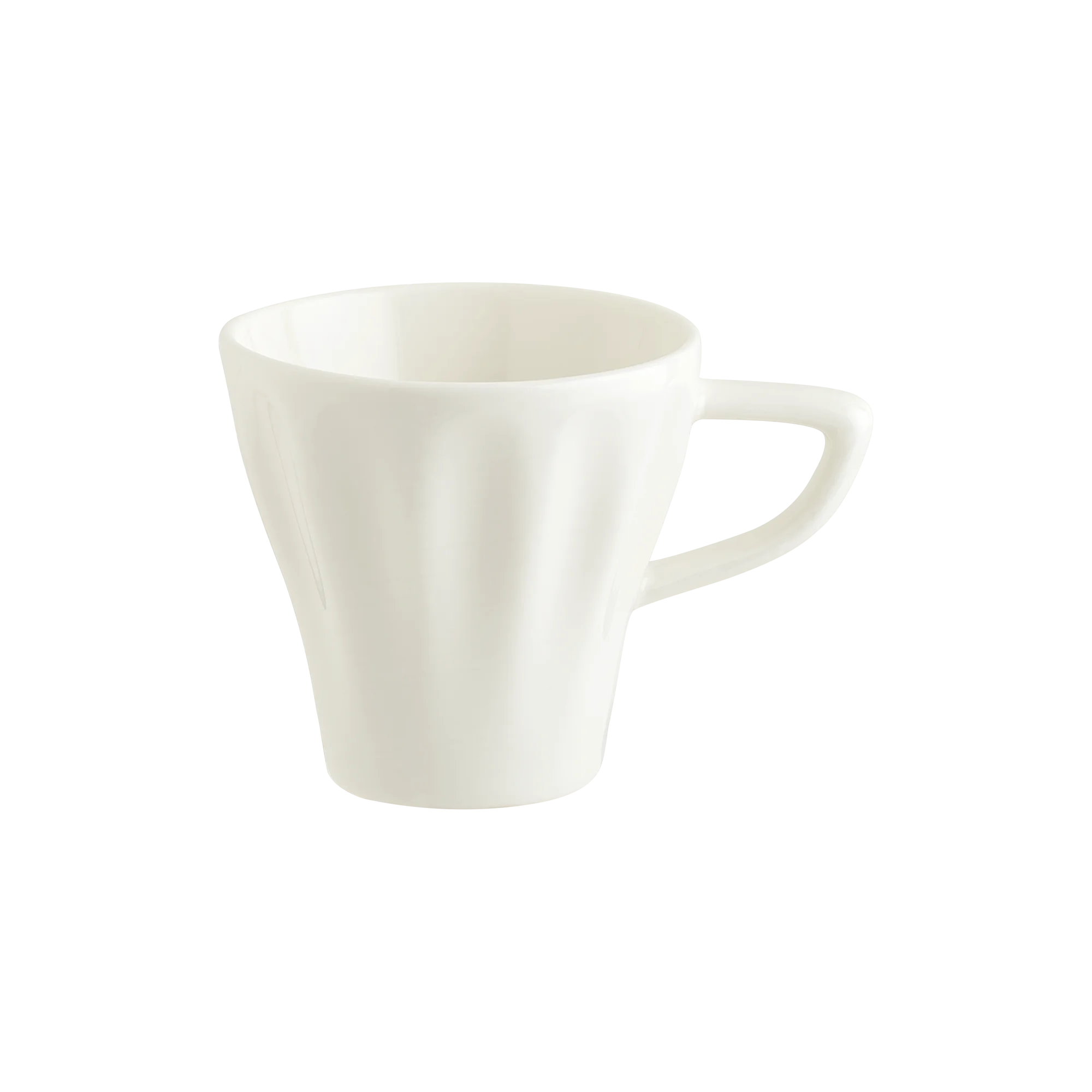
- Cups and saucers: about 2 to 3 per seat for cafés and breakfast service.
These are planning numbers, not rules. A banquet hall that serves everything at once needs at least one full set per guest plus spares. A café with a fast glass washer can work with less.
Example: a 60-seat restaurant
| Item | Per seat | Quantity |
|---|---|---|
| Main plates 27–28 cm | 3 | 180 |
| Starter / dessert plates 21–23 cm | 3 | 180 |
| Bread plates 15–17 cm | 2 | 120 |
| Soup / pasta bowls | 2 | 120 |
| Water glasses | 3–4 | 180–240 |
| Stemmed glasses | 3 | 180 |
| Forks, knives, spoons | 3 each | 180 each |
| Espresso cups with saucers | 2 | 120 |
Adjust each line to your menu: a pizza restaurant needs pizza plates instead of soup bowls, a steakhouse needs steak knives.
Round up to the box quantity
Professional crockery and glassware are packed in boxes of 6, 12 or 24 pieces. Ordering in full boxes keeps the price per piece lower and makes reorders simple. On VagoShop each product page shows the pieces per box. If your plan says 180 plates and the box holds 12, order 15 boxes.
Plan for breakage
Every operation loses tableware. Glasses break most, then cups and small plates. Many buyers keep a reserve of about 10–20% in storage on top of their par level and track breakage monthly. If one item breaks much faster than the rest, look at handling, racks and dishwasher loading before changing the product.
Choose lines you can reorder
The cheapest plate is the one you can still buy in two years. Before you order, check:
- The line is a stock collection, not a one-off decoration.
- The same item exists in the sizes you need (main, starter, bread, bowl).
- Glassware and cutlery come from the same family, so the table looks consistent when you top up.
Browse full collections by brand on the collections page.
Checklist before you send the order
- Covers at peak and number of turns.
- Menu items and the plate, bowl or glass each one uses.
- Par level per item (start with 3 per seat).
- Quantities rounded up to full boxes.
- 10–20% reserve for breakage.
Get a quote for your opening list
Send us your seat count and menu, or a full item list, through Request a Quote. We will return prices and box quantities for crockery, glassware and cutlery in one offer.
Quick answers
Frequently asked questions
How many plates per seat does a restaurant need?
How many glasses per seat?
How much extra stock should we keep for breakage?
Wholesale only
Planning an order for your hotel or restaurant?
Send us your cover count and room types. Our team replies with sizes, quantities and a quote from our factories.