Porcelain vs Stoneware: How to Choose Crockery for Hotels and Restaurants
Porcelain, stoneware or fine stoneware? What each material means for weight, chipping, hygiene and reorders, and how to choose crockery for your hotel or restaurant.
4 min read
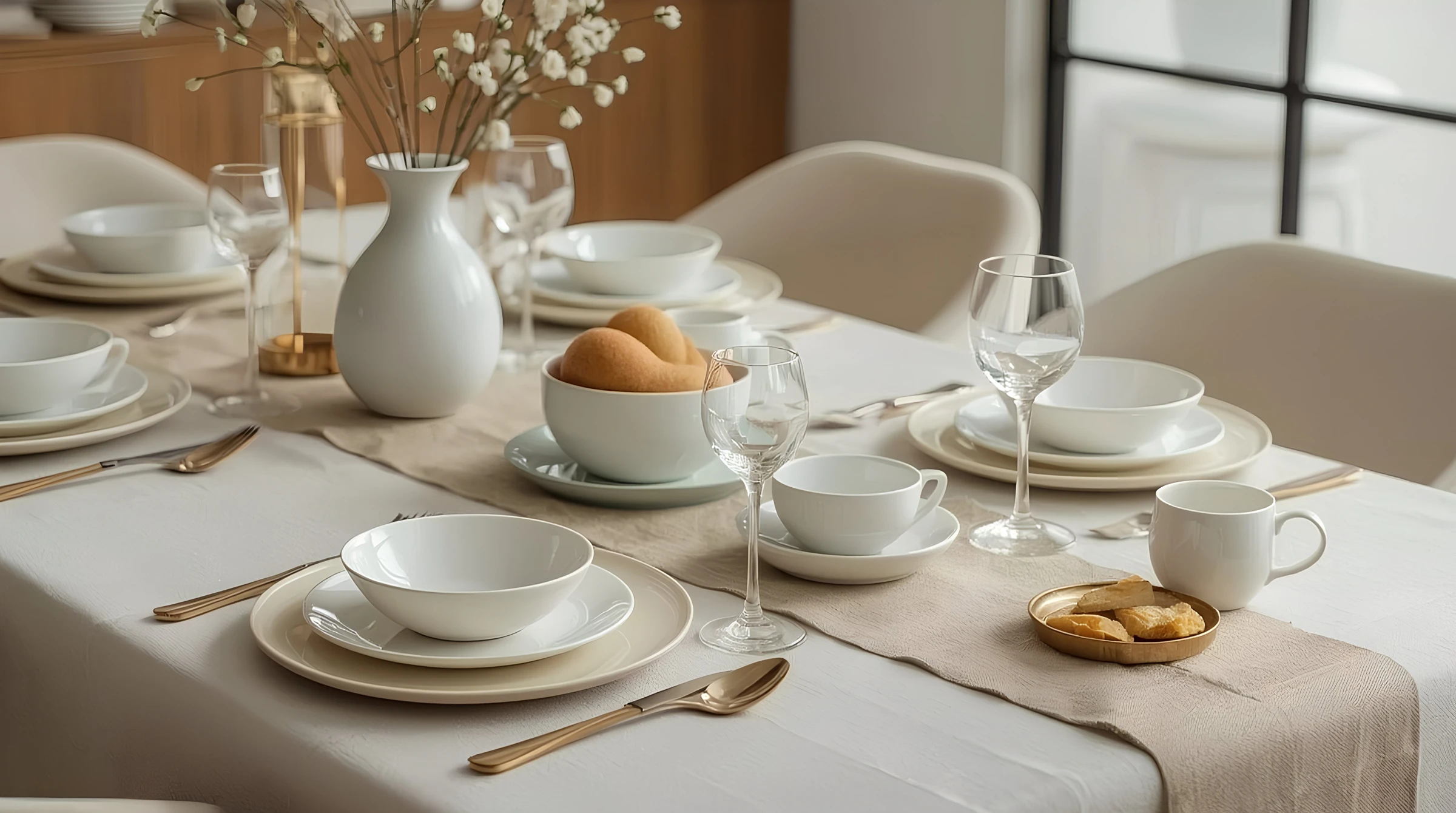
Choosing crockery for a hotel, restaurant or café is one of the biggest purchases in an opening budget, and one of the hardest to change later. The material decides how plates look on the table, how heavy a tray is for your staff, how many pieces chip in the first year, and how often you reorder. This guide explains the three materials you will meet most often in professional crockery, porcelain, stoneware and fine stoneware, and how to match them to your concept.
The short answer
- Porcelain is the safe default for hotels, banqueting and busy restaurants: white, dense, light for its strength and easy to reorder in the same shape for years.
- Stoneware suits restaurants and cafés that want a handmade, earthy look with reactive glazes and colour, and accept a heavier plate.
- Fine stoneware sits between the two: the colour and texture of stoneware with a finer, thinner body.
What is professional porcelain?
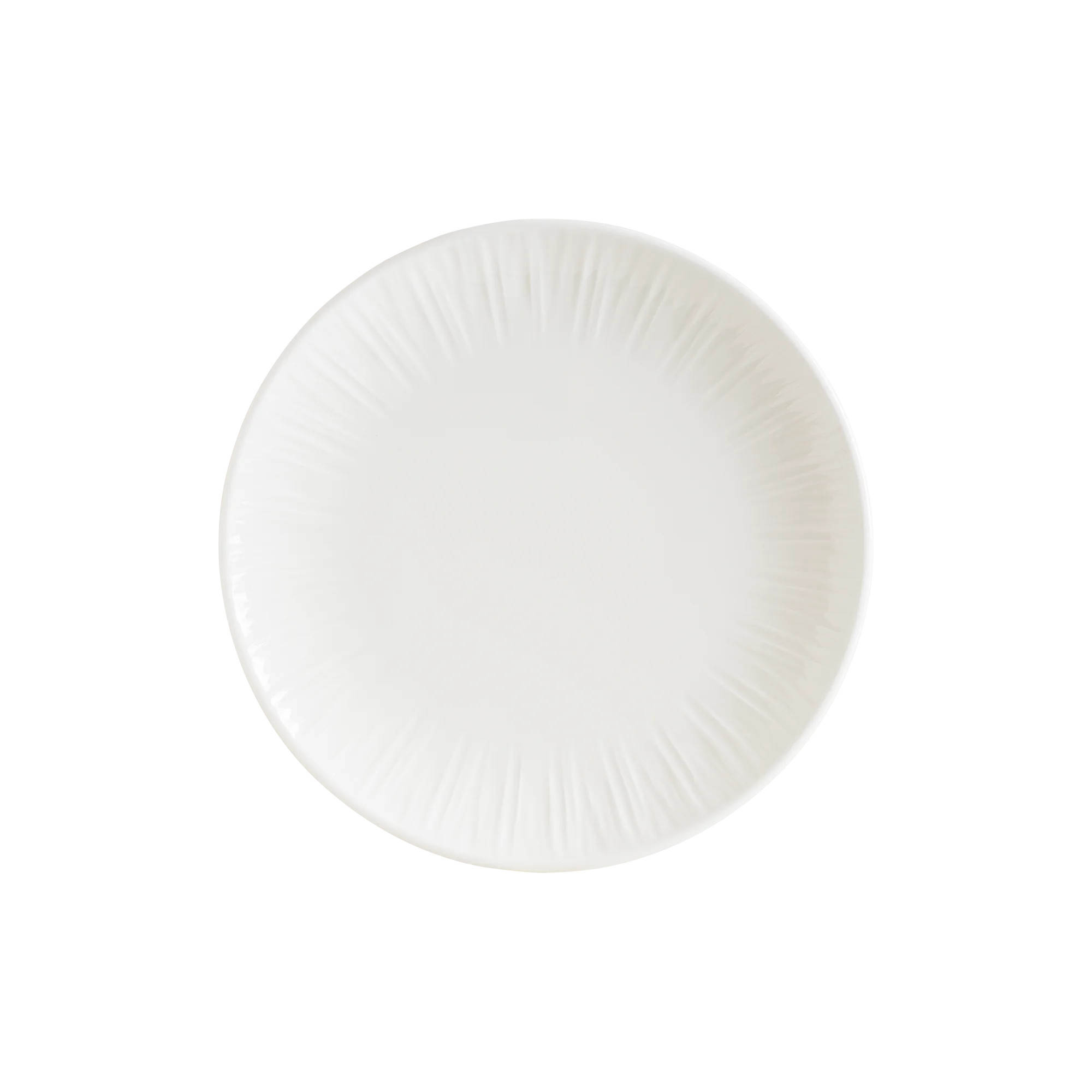
Porcelain is made from a fine clay body (with kaolin) fired at very high temperatures. The body vitrifies, which means it becomes glass-like inside and absorbs almost no water. For a professional kitchen that gives three practical advantages:
- Hygiene: a non-porous body does not take in grease, smells or stains, even when the glaze is worn.
- Strength for its weight: plates can be thinner and lighter than stoneware of the same size, which matters when a server carries four mains at once.
- Consistency: white porcelain lines from large manufacturers stay in production for many years, so a broken 27 cm flat plate can be replaced with the same plate.
Hotel porcelain is usually tested for dishwasher, microwave and oven use, and many ranges have a reinforced edge (rolled or thickened rim) to reduce chipping. Always check the product sheet of the exact line: these properties differ between ranges and decorations.
Browse porcelain lines from Bonna and ID Fine, or start with flat plates and deep plates.
What is stoneware?
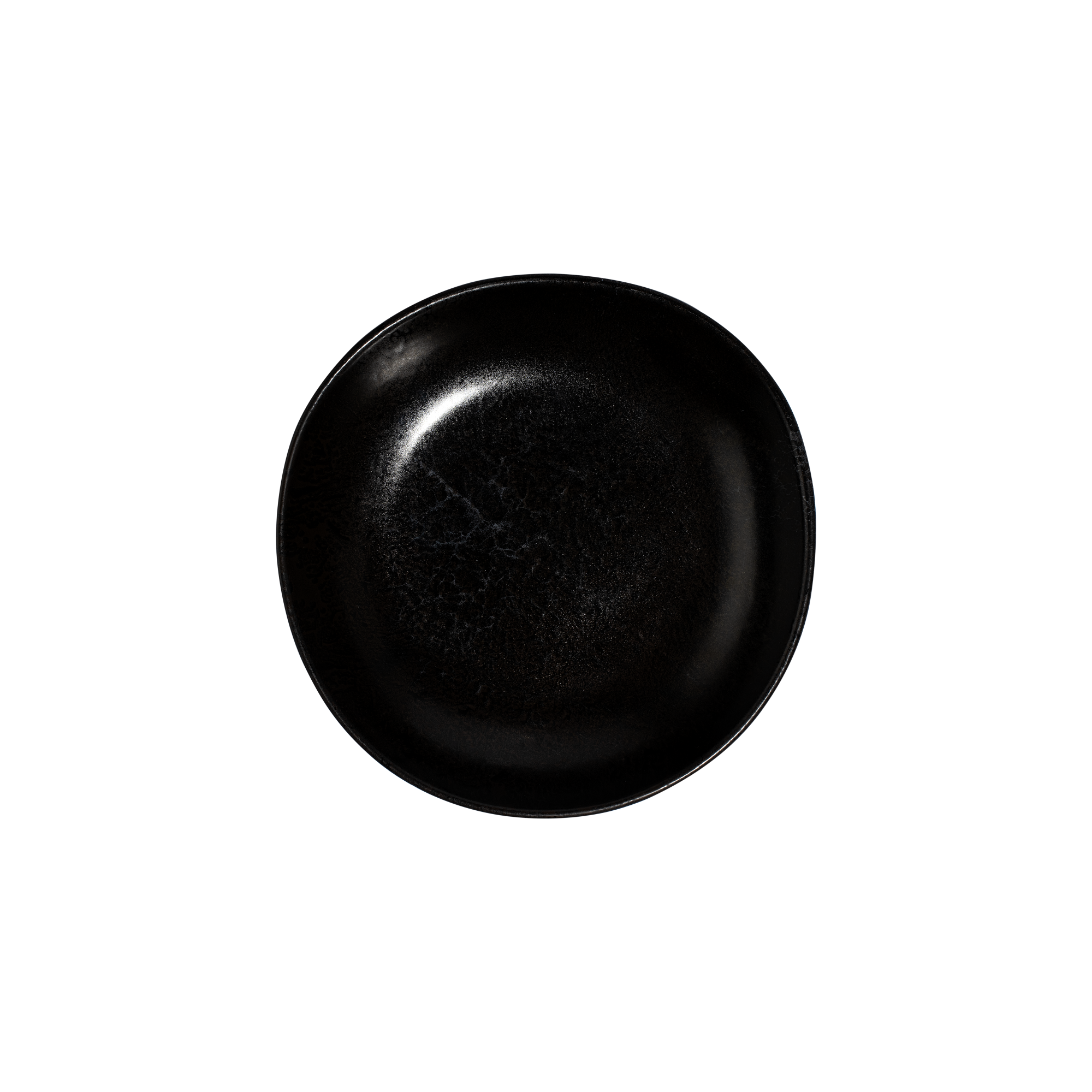
Stoneware is fired at a lower temperature than porcelain and has a coarser, denser-looking body. It is usually heavier and thicker, and it is the material behind most rustic, artisan-style and reactive-glaze tableware you see in modern restaurants. Each piece can look slightly different, which many chefs like for plating.
Things to keep in mind:
- Weight: a stoneware main plate is noticeably heavier. Check that your dishwasher racks, trolleys and staff can handle it at full volume.
- Glaze is the protection: the glaze seals the surface. A chip on a stoneware plate shows the body underneath, so edge strength and careful handling matter more.
- Colour and batch variation: reactive glazes vary from batch to batch. When you reorder, expect small differences in tone.
What is fine stoneware?
Fine stoneware uses a more refined body than standard stoneware, so pieces can be thinner and more precise while keeping the colour and texture that make stoneware popular. It is a good choice when you want a design-led table but need something closer to porcelain in weight and finish. In the ID Fine range, for example, you will find porcelain, stoneware and fine stoneware lines side by side, so you can compare them on the product pages.
How to choose: five questions to ask
- How many covers per day? Above roughly 150 covers a day, durability and fast reorders usually matter more than look. Porcelain is the usual choice for breakfast buffets and banqueting.
- What is the food concept? Fine dining and modern bistros often mix white porcelain mains with colourful stoneware or fine stoneware for starters and desserts.
- Who carries the plates? Room service, banqueting and buffet replenishment favour lighter porcelain.
- How will you reorder? Ask how long the line will stay in production and whether colours are stable between batches.
- What does the product sheet say? Check dishwasher, microwave and oven suitability and edge-chip guarantees for the exact item, not the brand in general.
Glossy or matte?
Glossy glazes are easier to clean and hide cutlery marks better. Matte glazes look modern and natural, but they can show grey marks from knives over time. Many restaurants use matte for sharing plates and bowls and glossy for main plates that see steak knives every day. Our product pages show the finish (glossy or matte) where the brand gives it.
A practical mix for a new restaurant
- Main and side plates in white porcelain, so they are easy to replace.
- Starters, sharing plates and bowls in stoneware or fine stoneware for colour.
- Cups and saucers in porcelain: they see the most handling and the hottest liquids.
Get a quote
VagoShop supplies hotels, restaurants and cafés with crockery from Turkish and international brands. Send us your list (items and quantities) through Request a Quote and we will come back with prices, box quantities and options.
Quick answers
Frequently asked questions
Is porcelain or stoneware better for restaurants?
Is stoneware dishwasher safe?
What is fine stoneware?
Wholesale only
Planning an order for your hotel or restaurant?
Send us your cover count and room types. Our team replies with sizes, quantities and a quote from our factories.